
Description
Human beings have been playing games for as long as they have been telling stories. In this course, students will explore the shared affordances of games and literature as tools for understanding the world, and for shaping our relationships to each other, and ourselves. Part hands-on gaming studio, part literature seminar — students will play a range of digital and analog role-playing games while reading key works of English literature to consider the shared affordances of literature and games: as frameworks for play, mechanisms for world-building, and equipment for living.
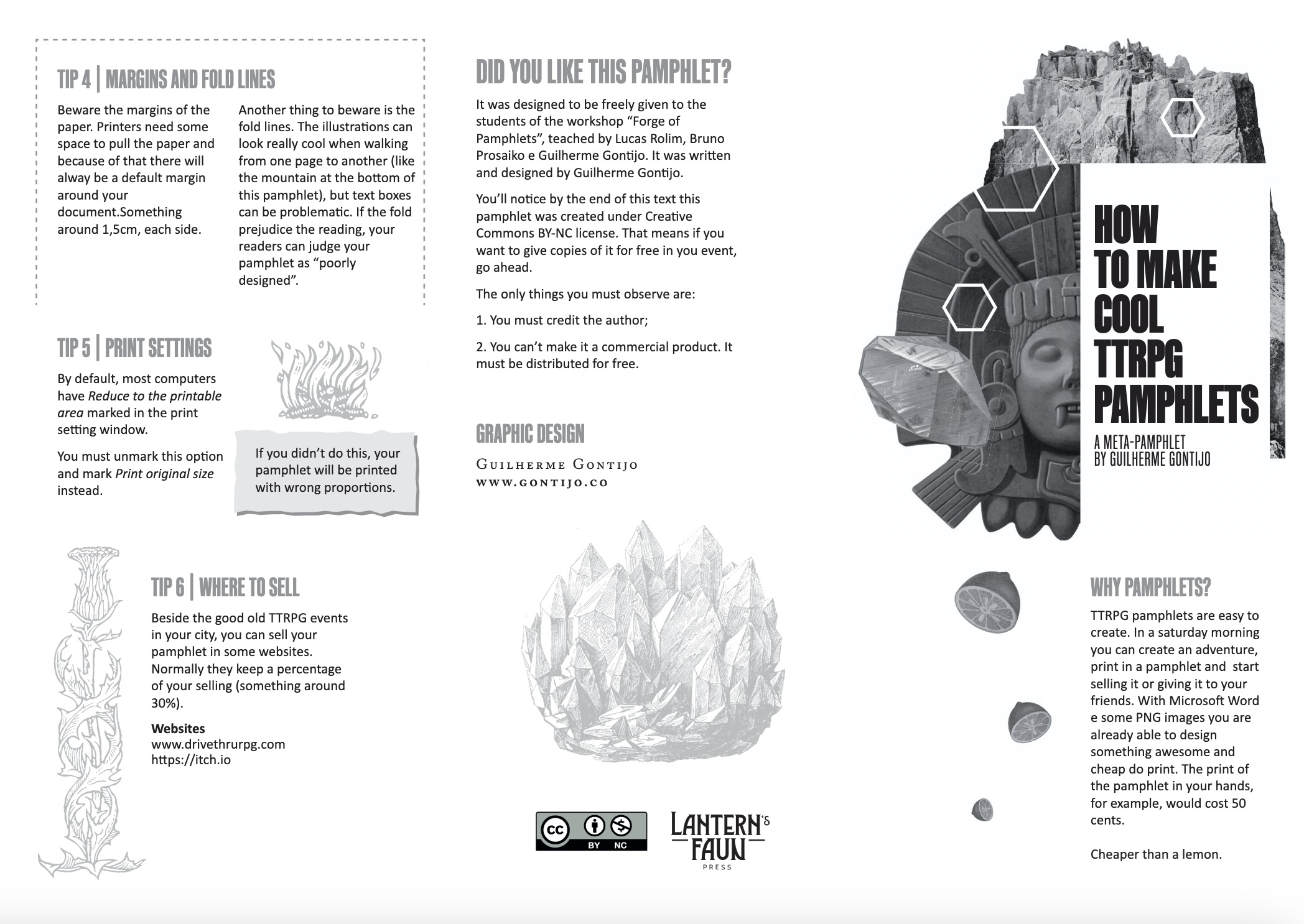
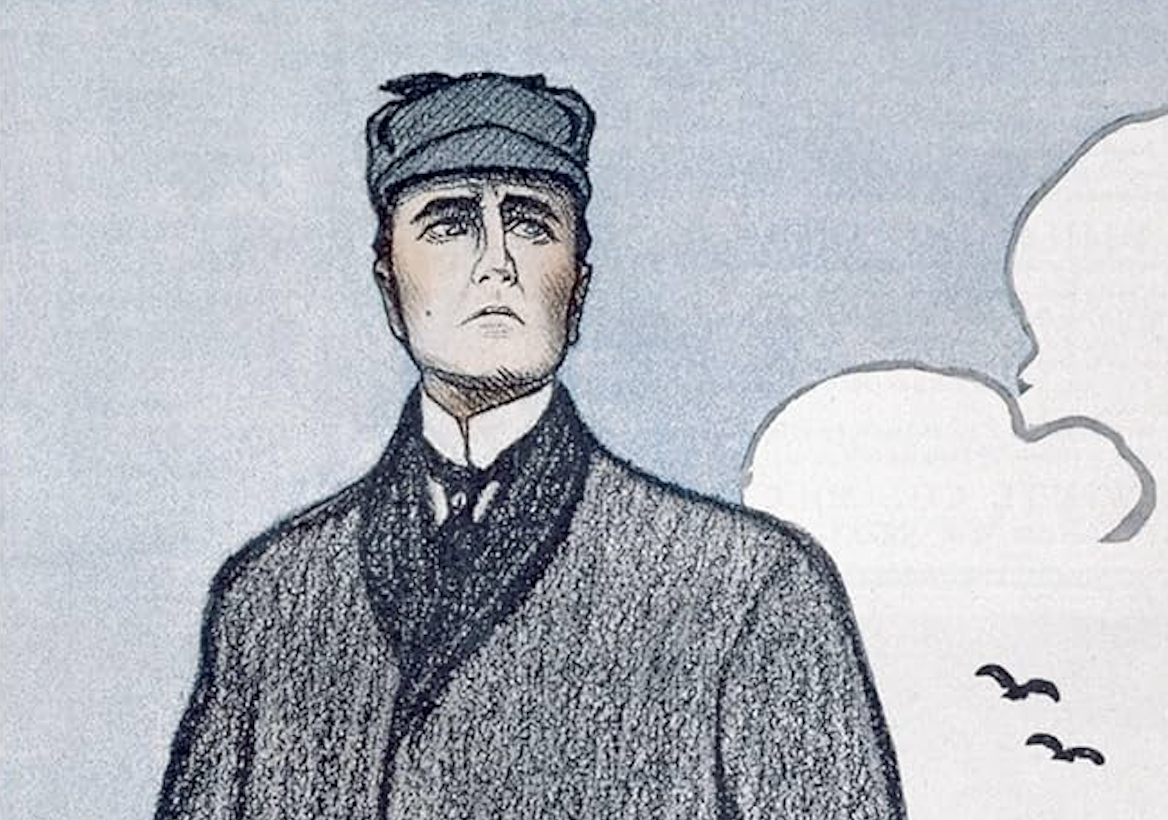
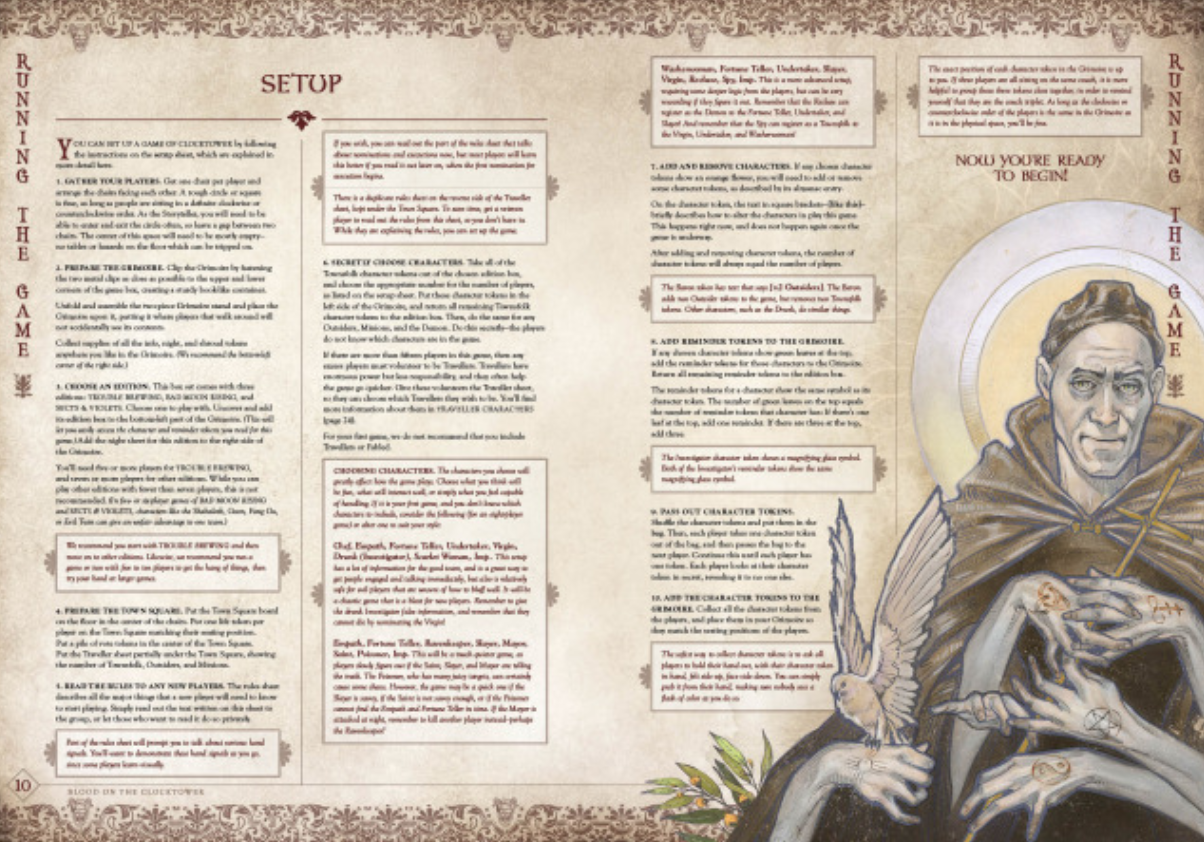
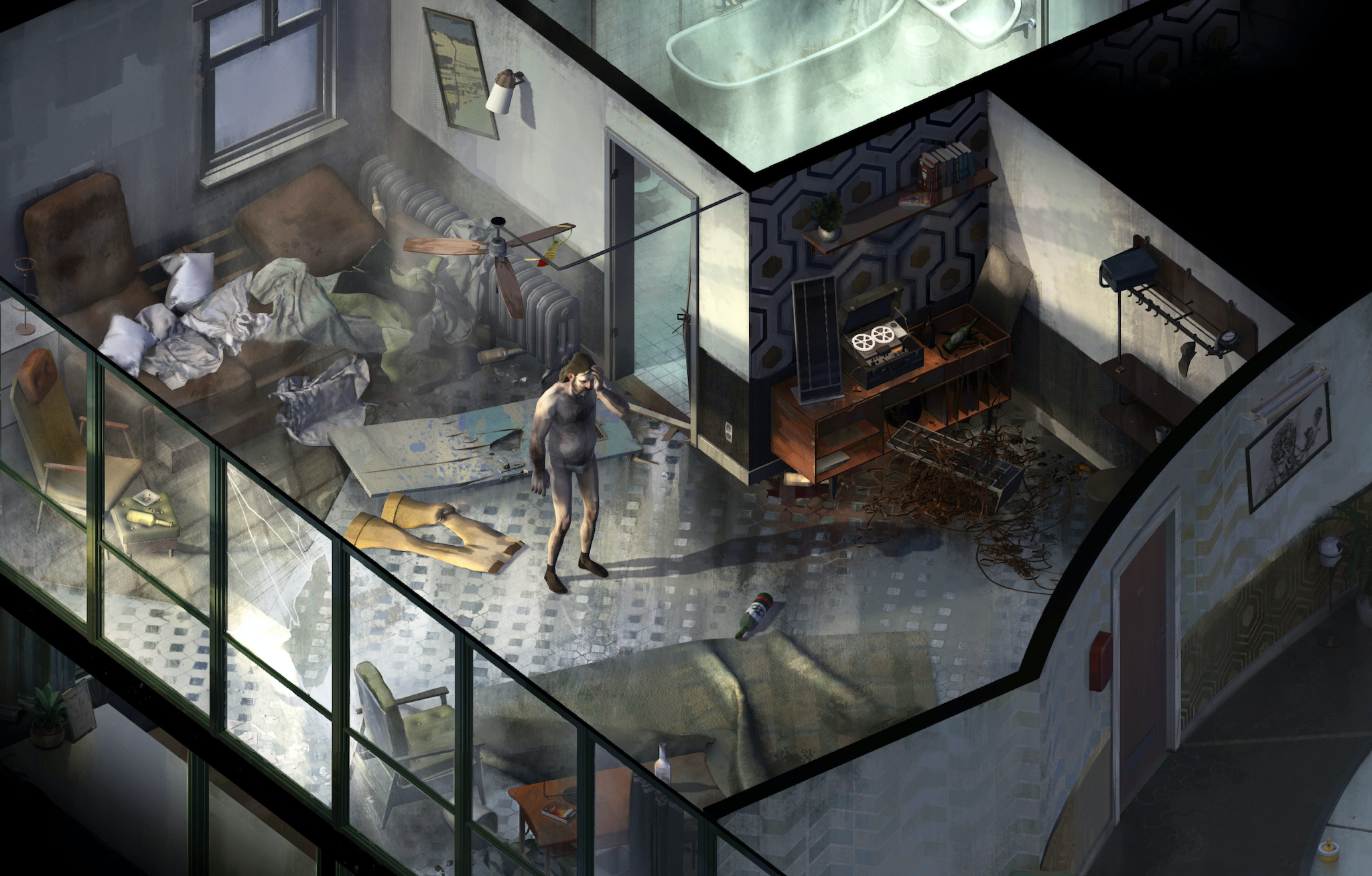
In this course, we will read works in several popular genres of fiction including fantasy literature, gothic and cosmic horror, and detective fiction. In each case, we'll explore the historical intersections of these popular genres with games and gaming culture, with particular attention to the role-playing game (RPG) as a contemporary inheritor and re-shaper of literary tradition. First, we'll read from selected works by J.R.R. Tolkien to trace the fantasy genre's historical origins in myth, legend, and fairy tales, and engage with Wanderhome, a contemporary tabletop RPG that draws on this lineage to model a different kind of fantasy storytelling. Next, we'll turn to horror fiction, reading from Bram Stoker's Dracula and the weird stories of H.P. Lovecraft. We'll pair these readings with the journaling RPG Thousand-Year-Old Vampire, considering how the form of the journal mediates horror across centuries — and Harlem Unbound, a contemporary RPG that responds critically to the psychopathology of race that pervades Lovecraft's writings. Finally, we'll examine detective fiction's distinctive approach to narrative form, reading classic Sherlock Holmes stories alongside the social-deduction game Blood on the Clocktower and the literary CRPG Disco Elysium, exploring how the formulaic building-blocks of the murder mystery (e.g., finding clues, mapping social space) translate into the investigative mechanics of contemporary games.
Across the term, students will develop their own short original RPG as the culminating project of the course — a small, playable story game in dialogue with the literature and games we encounter together.
Week 1 - Introduction to Course
M - 08/17 Review Course Resources and Schedule Overview
W - 08/19 Conceptual Foundations: Games as Equipment for Living
Readings Accessible via Canvas
Week 2 - Tolkien, TTRPGs, and the Fantasy Tradition
M - 08/24 Discuss TTRPGs and Fantasy Literature
W - 08/26 Discuss Tolkien, The Lord of the Rings
Readings Accessible via Canvas
Week 3 - Wanderhome
M - 08/31 Character Creation
W - 09/02 Journeying
Readings Accessible via Canvas
Week 4 - Wanderhome
M - 09/07 NO CLASS – LABOR DAY
W - 09/09 Placemaking
Readings Accessible via Canvas
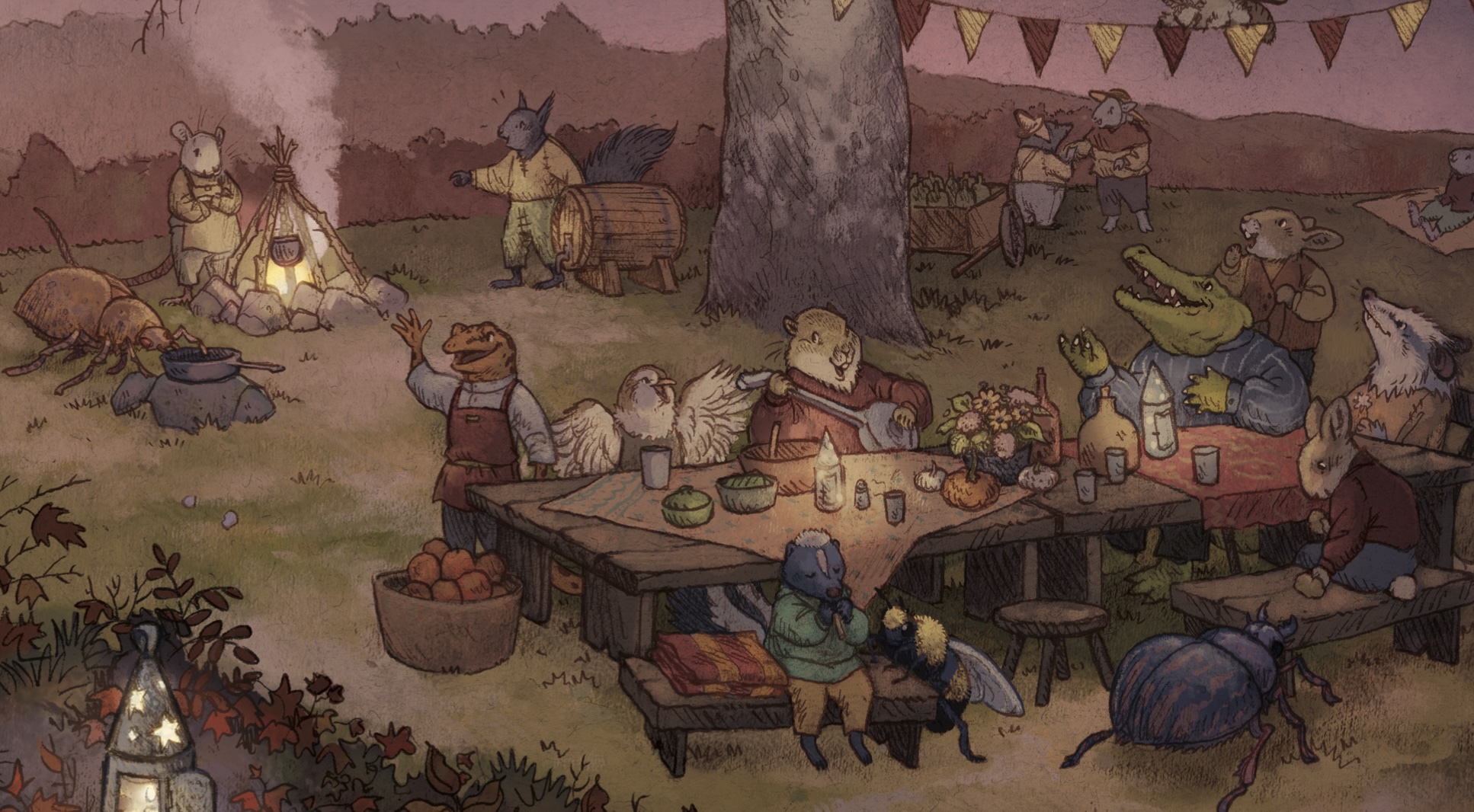
Week 5 - Wanderhome
M - 09/14 Wanderhome Debrief Discussion
W - 09/16 Pitch Project Overview and Kickoff
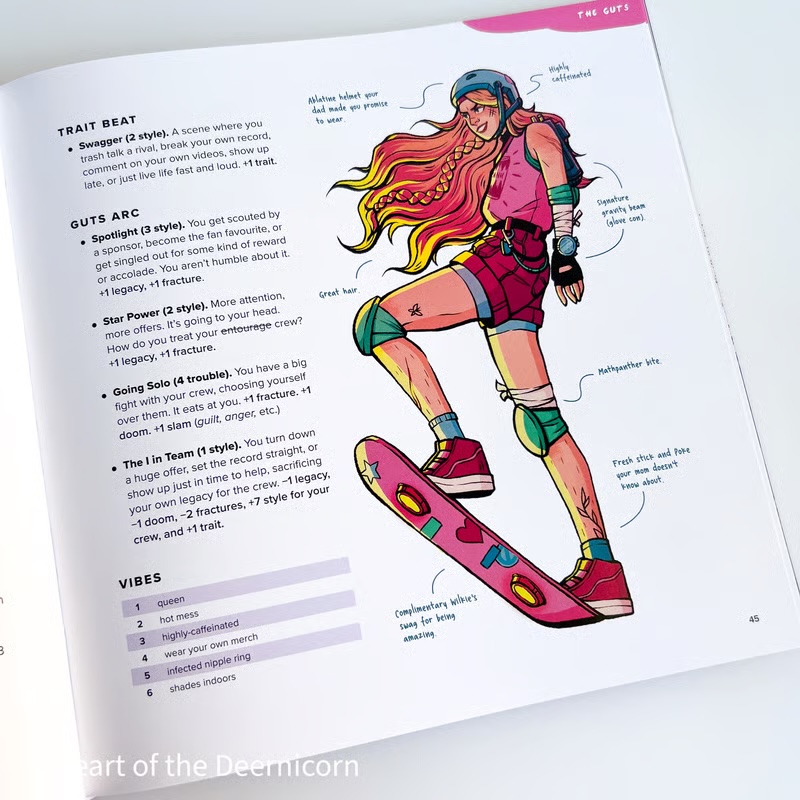
Week 6 - Design Project Development
M - 09/21 NO CLASS – WELLNESS DAY
W - 09/23 Surveying the Field of Play
Readings Accessible via Canvas
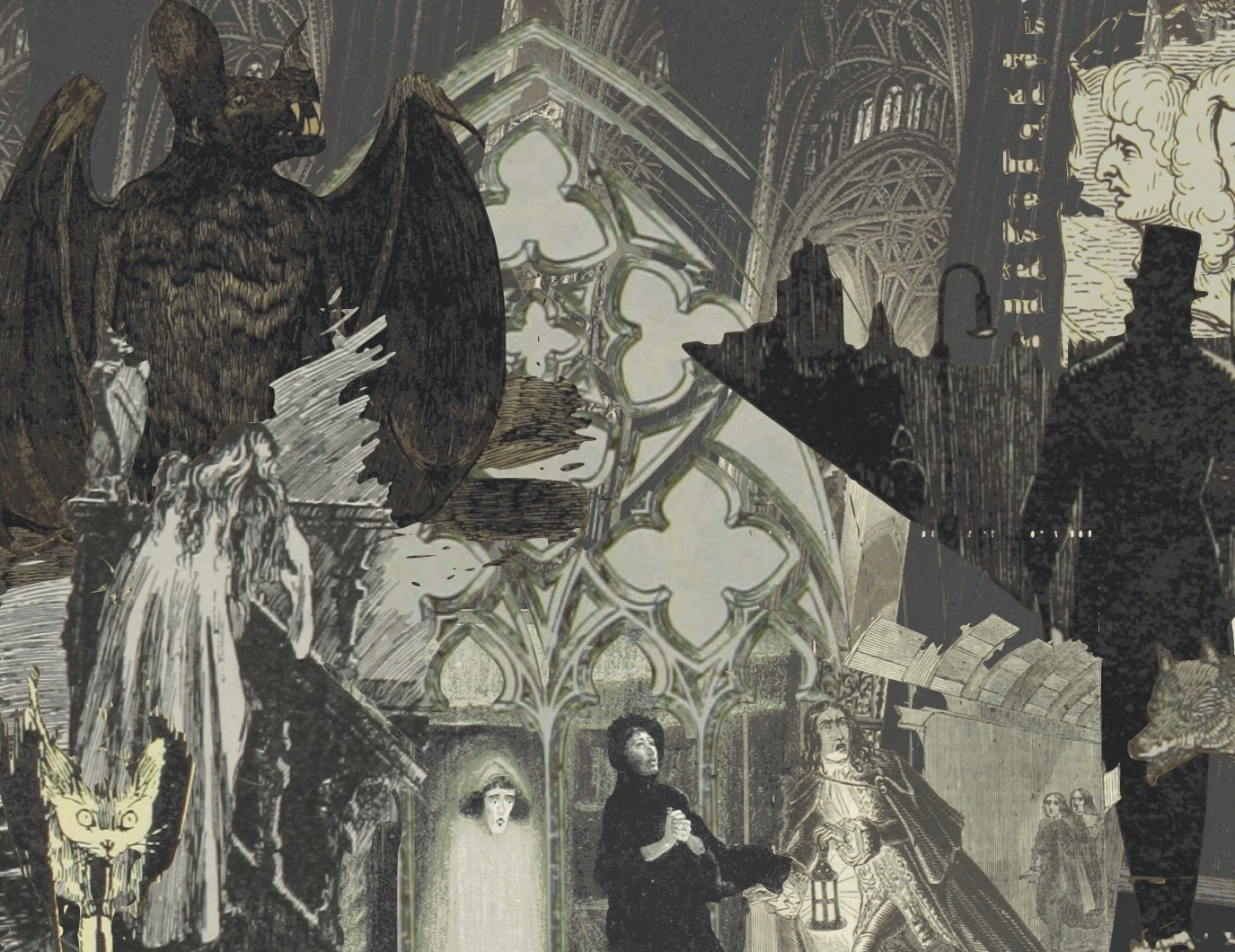
Week 7 - Playing with Memory, Gothic Fiction and Literary Form
M - 09/28 Discuss Dracula and Horror Fiction
W - 09/30 Play and Discuss Thousand-Year-Old Vampire
Readings Accessible via Canvas
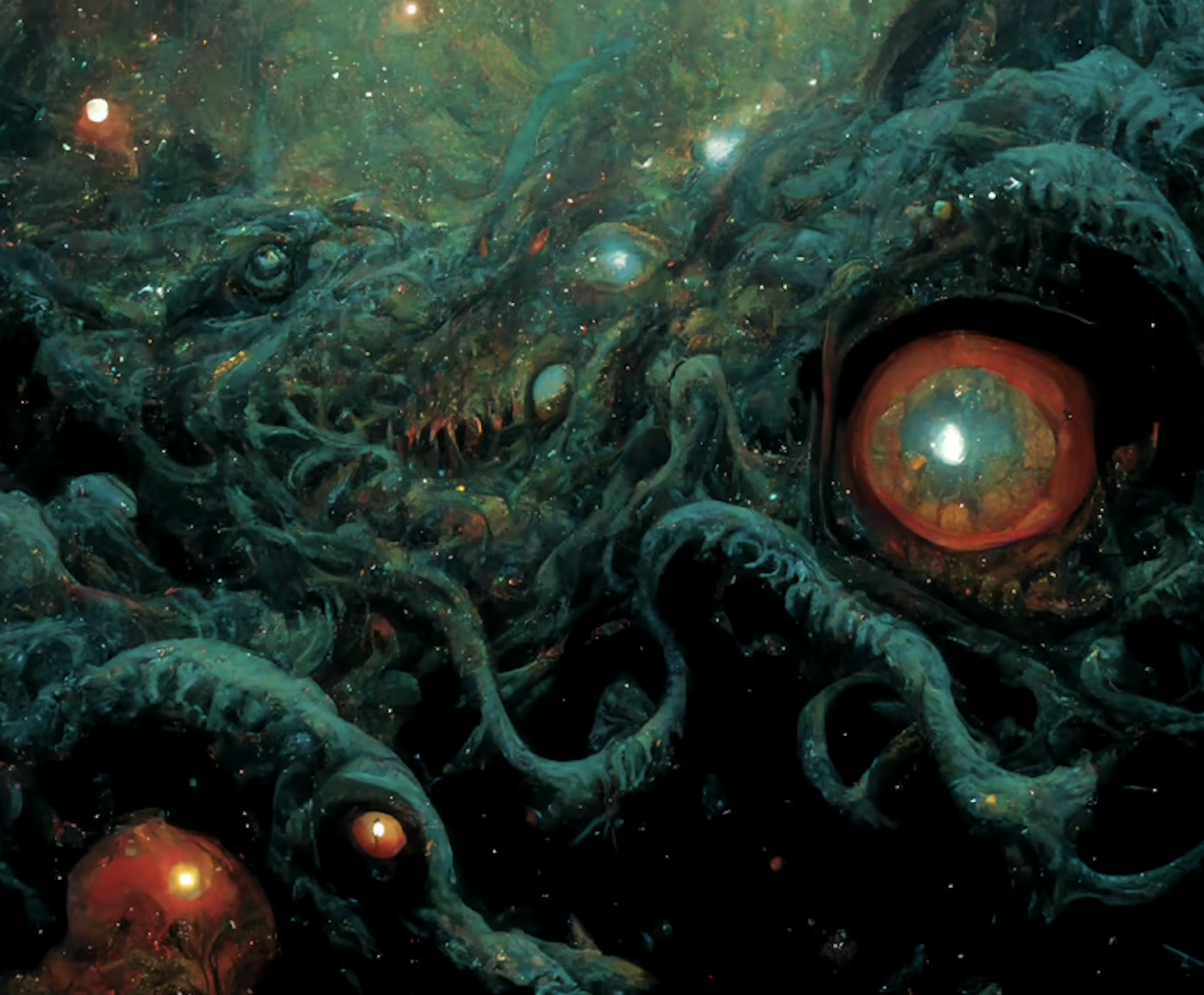
Week 8 - Cosmic Horror and the Psychopathology of Race
M - 10/05 Discuss Lovecraft and Weird Fiction
W - 10/07 Play Harlem Unbound
Readings Accessible via Canvas
Week 9 - Design Project Development
M - 10/12 RPG Pitch Workshop
W - 10/14 Pitch Drafting Studio
Week 10 - Clues in the Classical Detective Story
M - 10/19 Discuss Todorov, Suits, and Detective Fiction
W - 10/21 Discuss Sherlock Holmes [selections]
Readings Accessible via Canvas
Week 11 - Playing at Murder, and Investigation
M - 10/26 Play Blood on the Clocktower
W - 10/28 De-brief Clocktower
Readings Accessible via Canvas
Week 12 - Disco Elysium: Indexical Storytelling
M - 11/02 What Kind of Cop Are You?
W - 11/04 Investigation as Indexical Storytelling
Readings Accessible via Canvas
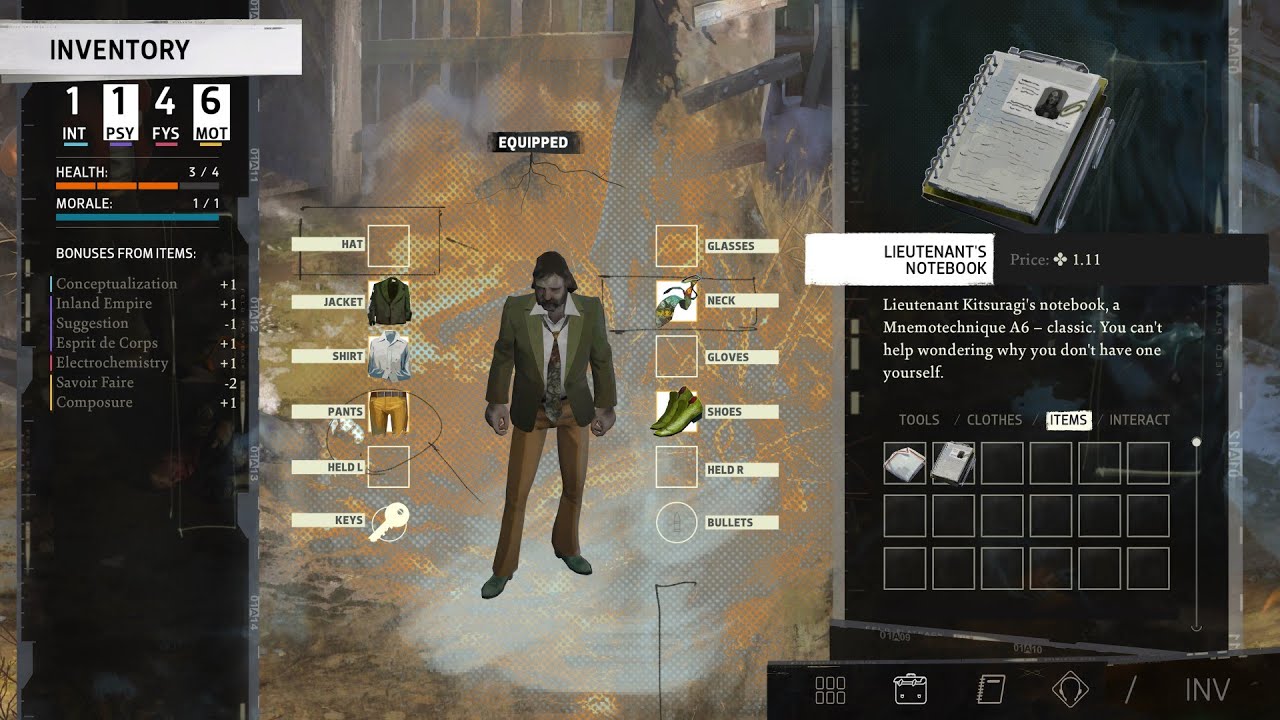
Week 13 - Disco Elysium: Cognitive Mapping
M - 11/09 Cognitive Mapping in the Thought Cabinet
W - 11/11 Disco Elysium Debrief
Week 14 - Design Project Development
M - 11/16 Prototyping Workshop I
W - 11/18 Prototyping Workshop II
Week 15 - Thanksgiving Break
M - 11/23 NO CLASS – THANKSGIVING HOLIDAY
W - 11/25 NO CLASS – THANKSGIVING HOLIDAY
Week 16 - Conclusion to the Course
M - 12/02 Playtesting Workshop
W - 12/04 Conclusion
Final Exam Period
F - 12/11 Design Showcase, 12:00–3:00 PM ET (GL 316)