Course Overview and Outline
Video Games and Narrative Cinema
Course Overview
In this hands-on gaming course, students will decipher the narrative design of video games while exploring the legacy of cinema to gameplay. They will also apply critical gaming concepts (agency and control, flow, point of view, authorship, operational logics, loops) to evaluate cinema as a ludic and participatory artform beyond conventional narrative elements.
We will approach our study of video games and cinema through three interconnected frameworks: as media technologies, visual cultures, and narrative forms. First, we’ll examine games and films as the historical products of discrete media industries. We’ll investigate the history of cinema and digital gaming alongside readings in media theory that will help us analyze films and video games as forms of visual culture that often disclose divergent narratives of technology. Next, we’ll turn to readings in eco-criticism, computer science, and critical theory to consider the theory and design of interactive environments (in games, and in films) as indicative of operational logics for rendering playable models of environmental flows, social ontologies, and speculative temporalities. We’ll conclude the course by interrogating the ways that video games and cinema present narrative experiences that negotiate, subvert, or reproduce, historical patterns of violence and power. To ground our discussions historically, we’ll examine a sequence of games and films that re-mediate the complex relationships between race, history, and national identity.
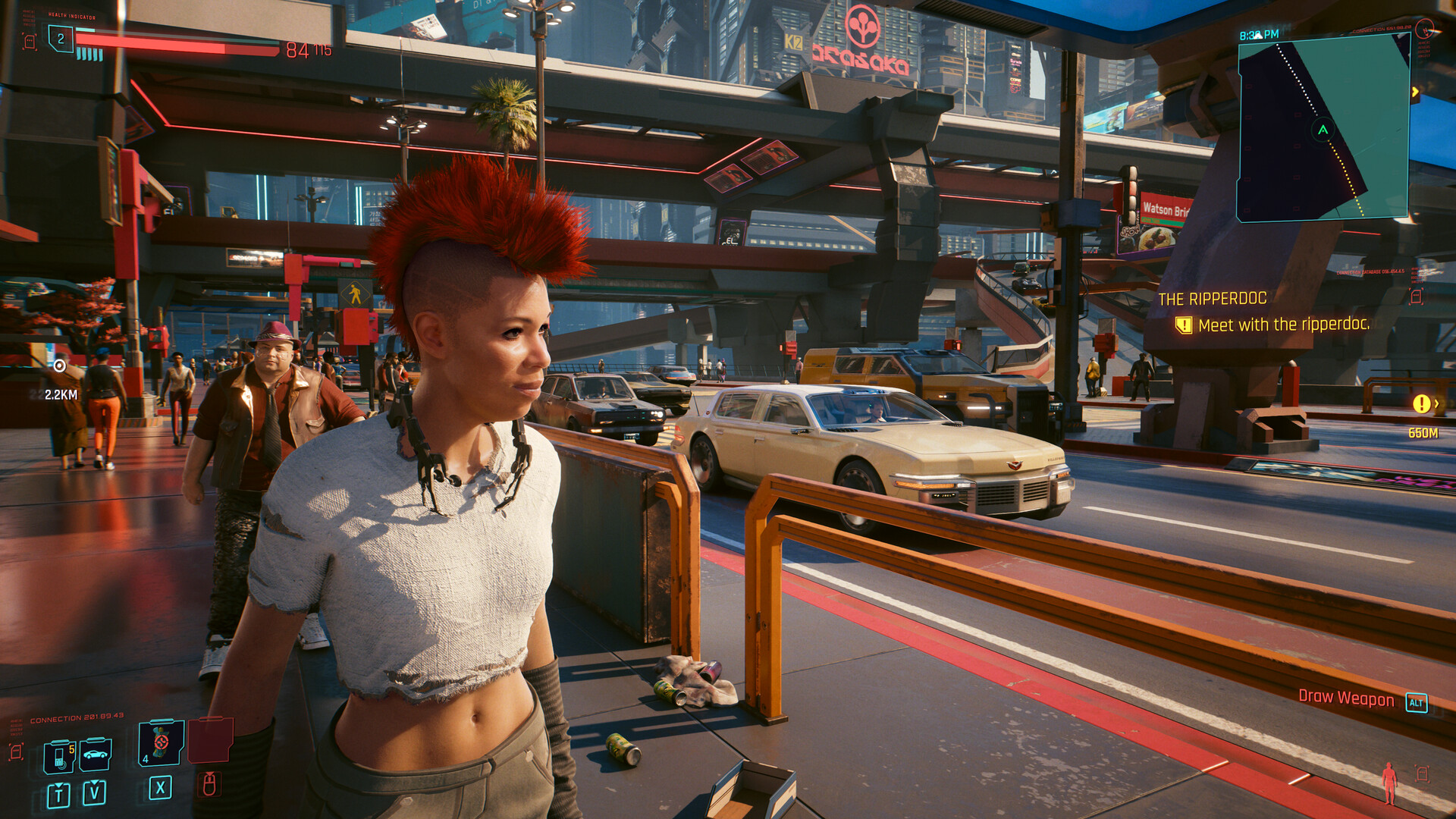
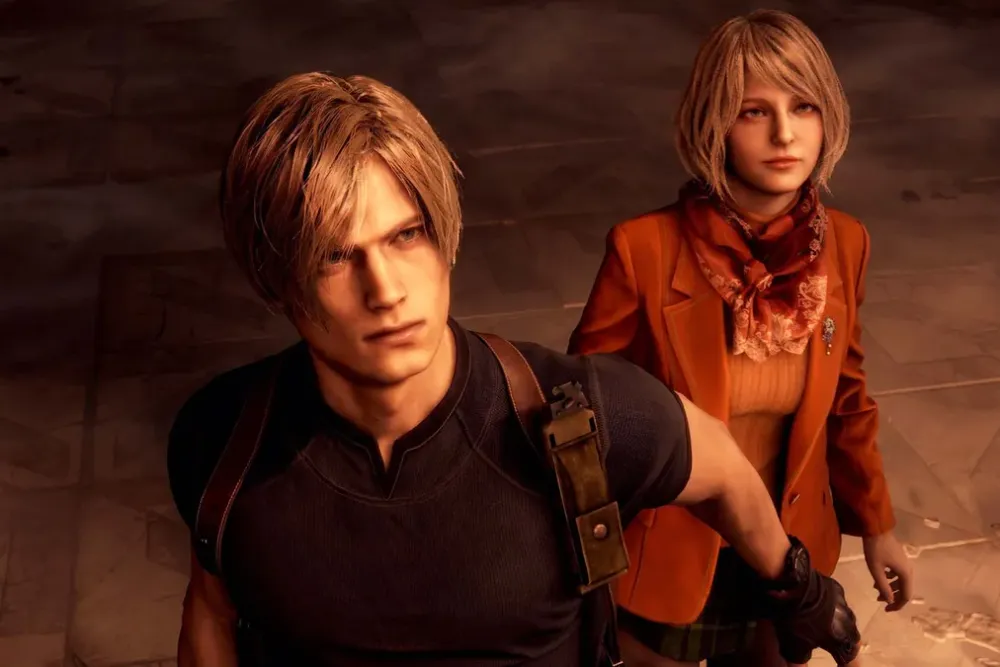
We will watch influential films from a variety of genres and historical periods including horror, science-fiction, and thrillers from across the silent era, classic Hollywood, global cinema, and contemporary blockbusters. During each week, we will also engage in critical play sessions to explore a few select games in-depth, and view and discuss gameplay footage from a host of others. Games played in the course will include INSIDE (2016), Wolfenstein II: The New Colossus (2017), Resident Evil 4 (2005), and Death Stranding (2019). Other games to be viewed and discussed may include: Rom Check Fail! (2013), Lemmings (1991), Pony Island (2016), Pokémon: SNAP! (1999), Cyberpunk 2077 (2020), Dune II (1992), Perfect Vermin (2020), Super Mario Bros. (1985).
Course Outline
Week 1 - Introduction to the Course
- Review Course Syllabus
- Attend Gameroom Orientation in Recitation on Friday
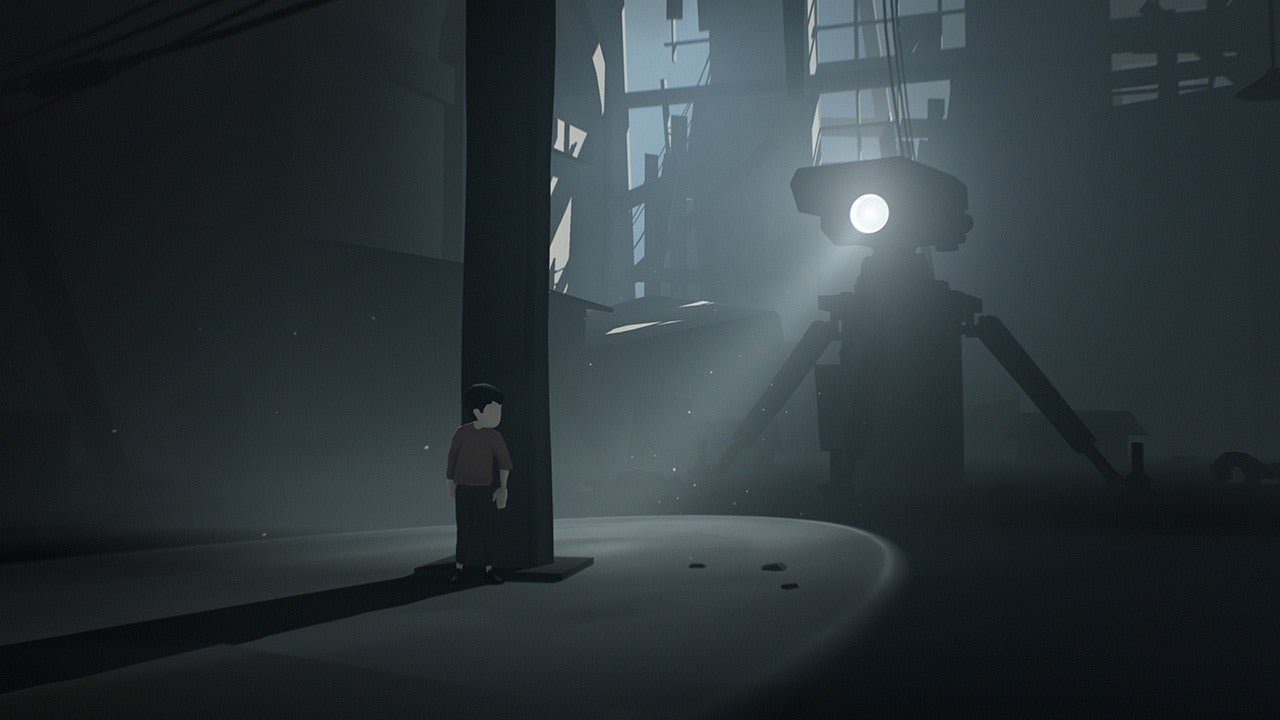
INSIDE
Week 2 - Grammars of Action
- Watch Modern Times (1936), dir. Charlie Chaplin; Rom Check Fail!
- Read Galloway “Gamic Action, Four Moments”
- Play INSIDE (2016)
Week 3 - Narratives of Technology
- Watch Metropolis (1927), dir. Fritz Lang; Lemmings (1991)
- Read Benjamin, “The Work of Art in the Age of Mechanical Reproduction”
- Play INSIDE (2016)
- Submit Journal #1 (01/24 @ 11:59PM ET)
Week 4 - Allegories of Control
- Watch Videodrome (1983), dir. David Cronenberg; Perfect Vermin (2020); Pony Island (2016)
- Read Galloway, “Allegories of Control”
- Play INSIDE (2016)
Week 5 - Mechanisms of Perception
- Watch Nope (2022), dir. Jordan Peele; Pokémon: SNAP! (1999)
- Read Beller, “Camera Obscura After All: The Racist Writing with Light”; Galloway, “Origins of the First-Person Shooter”
- Play INSIDE (2016)
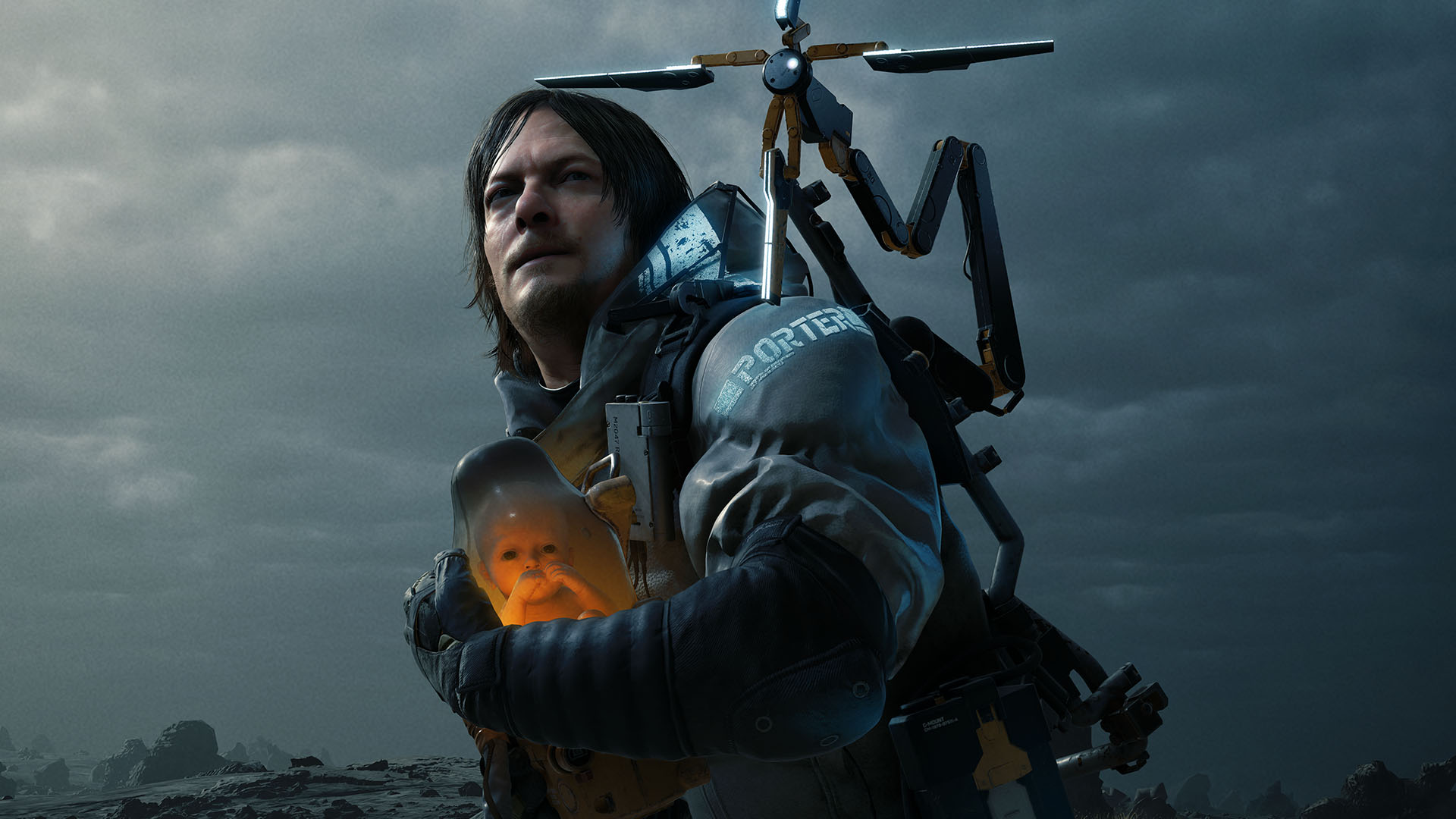
Death Stranding
Week 6 - Operational Logics, Playable Models
- Read Wardrip-Fruin, “Operational Logics and Playable Models”
- Play Death Stranding (2019)
- Submit Journal #2 (02/14 @ 11:59PM ET)
Week 7 - Narrative Flows
- Watch Mad Max: Fury Road (2015), dir. George Miller
- Read Wark, “Fury Road: The Four Flows”;”What is ‘FLOW’ Theory in Game Design?”
- Play Death Stranding (2019)
Week 8 - Ontological Dependencies
- Watch Blade Runner 2049 (2017), dir. Denis Villeneuve; Cyberpunk 2077 (2020)
- Read Vint, “Vitality and reproduction in Blade Runner 2049”; “Dependency Inversion Principle for Software Development”
- Play Death Stranding (2019)
Week 9 - Temporal Loops
- Watch Tenet (2020), dir. Christopher Nolan; Return of the Obra Dinn (2018)
- Read Christopher Hanson, “Recursive Temporalities”; “Loops in Game Design?” (video)
- Play Death Stranding (2019)
- Submit Journal #3 (03/07 @ 11:59PM ET)
TA Guest Lectures
Week 10 - TA Guest Lectures
- Watch Overlord (2018), dir. Julius Avery
- Play Wolfenstein II: The New Colossus (2017); Wolfenstein 3D (1992)
Week 11 - TA Guest Lectures
- Watch Throne of Blood (1957), dir. Akira Kurosawa
- Play Resident Evil 4 (2005)
Final Projects
Week 12 - Video Essays: Ideation and Planning
- Watch Ian Bryce Jones, “Special Effectivities”; Rick Warner, “Tarkovsky/This Side of the Screen”
- Attend Essay Topic Ideation Workshop
- Submit Video Essay Proposal (04/04 @ 11:59PM ET)
Week 13 - Video Essays: Storyboarding and Script-Blocking
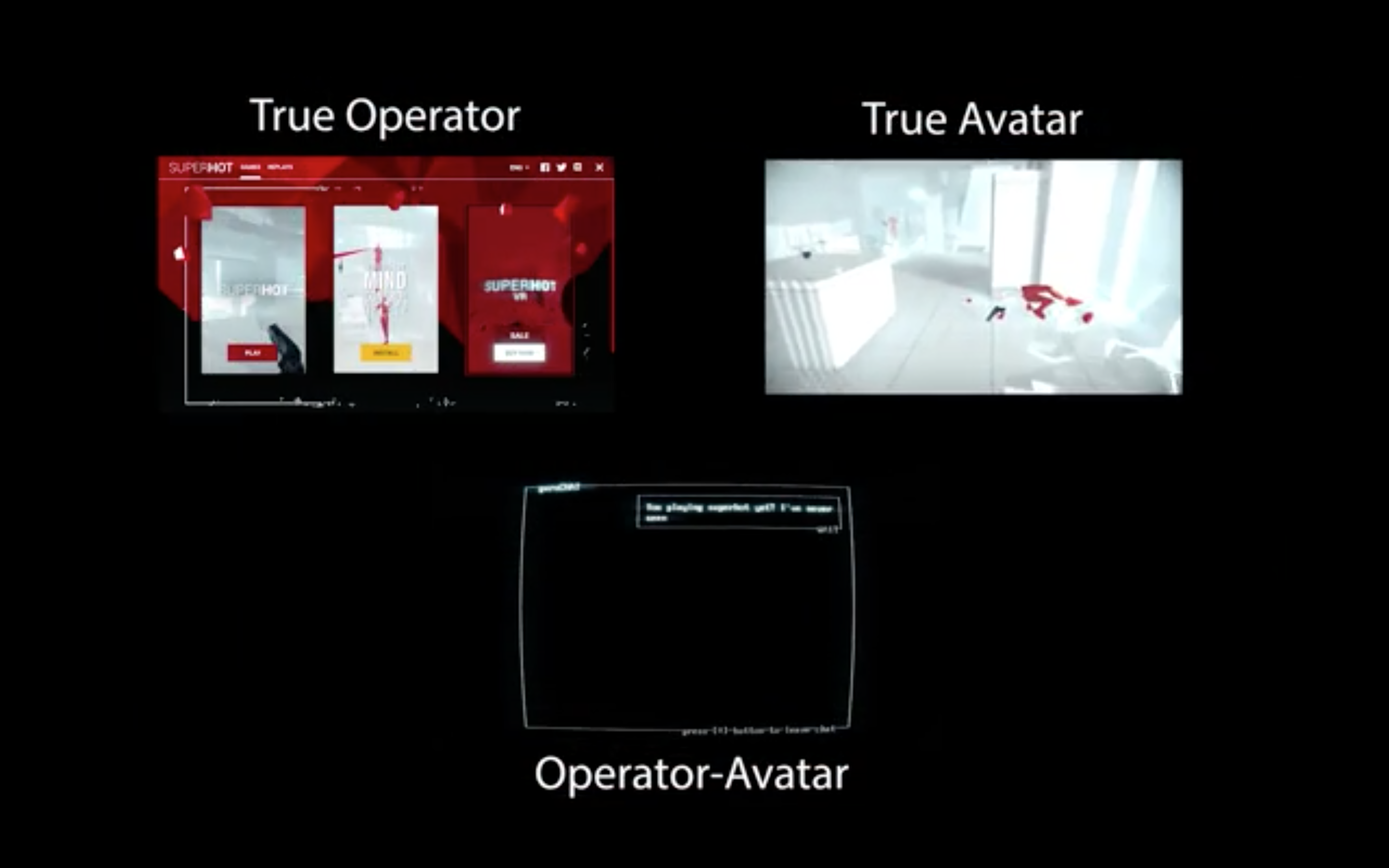
- Watch Tynes and Viano “Frames of Mind” from In Transition; Ben van Welzen “Avatar in the Machine: The Fracture of Avatarial Identity in SUPERHOT”
- Attend Storyboards and Script Blocking Workshop
Week 14 - Video Essays: Audio Recording and Media Capture
- Attend Adobe Premiere Pro Tutorial Special Session
- Submit Storyboard + Draft Script (04/16 @ 5:00PM ET)
Week 15 - Video Essays: Assembly and Editing
- Attend Media Capture Workshop
- Submit Rough Cut (04/25 @ 9:00AM ET)
- Attend Rough Cut Workshop in Recitation Sections
Week 16 - Conclusion to the Course
- Complete Course Evaluations and Feedback Survey
- Submit Video Essay FINAL Cut (05/01 @ 5:00PM ET)
FINAL EXAMS
- Attend Course Wrap Screening Party and Peer-Voted Awards - SAT 05/03 12-3PM ET
Contact & Office Hours
Check the course canvas shell for direct access to course files.
To request a meeting or reach out with questions contact me directly at sgotzler@unc.edu.
Office Hours: Tue 12:00PM-1:00PM (GL 313) | Fri 11:00AM-12:00PM (GL 313).